Column · @zionlwtk733
Pickleball Court Rental erapickleball.com: Weekend Blocks
The weekend is when the sport truly breathes in a community. The gym lights flicker on just as Friday dusk settles, and players fresh from work slip into the rhythm of the game. For Era Pickleball, that cadence is not an afterthought but a core part of what makes a pickleball academy feel alive. When you walk into the erapickleball.com center on a Saturday morning, you can sense the tempo before you even see the courts: a mix of laughter, sharp rallies, and the muffled thud of paddles meeting neon balls. Weekend blocks are more than a scheduling feature; they are the heartbeat of a space designed to welcome both newcomers and seasoned competitors.
This article digs into how Era Pickleball structures weekend court rental, what members and casual players can gain from the system, and how the center balances accessibility with the need to keep peak times productive. There is real-world nuance here: the way a center handles block times affects practice quality, the flow of drop-in players, and the possibility of building a personal routine around the sport.
A glimpse at the Era Pickleball model
The erapickleball.com pickleball center operates with a clear focus: provide reliable access to courts, support a growing community, and offer value through well-timed blocks that align with players’ schedules. The weekend blocks are not simply reserved slots. They are designed to accommodate varied needs, from quiet practice sessions to informal tournaments that bring neighbors together for friendly competition. The ethos behind the weekend schedule is straightforward: create space where skill development can happen without the pressure of being crowded out by a single group, while still preserving opportunities for social play that keep the sport approachable for all ages and levels.
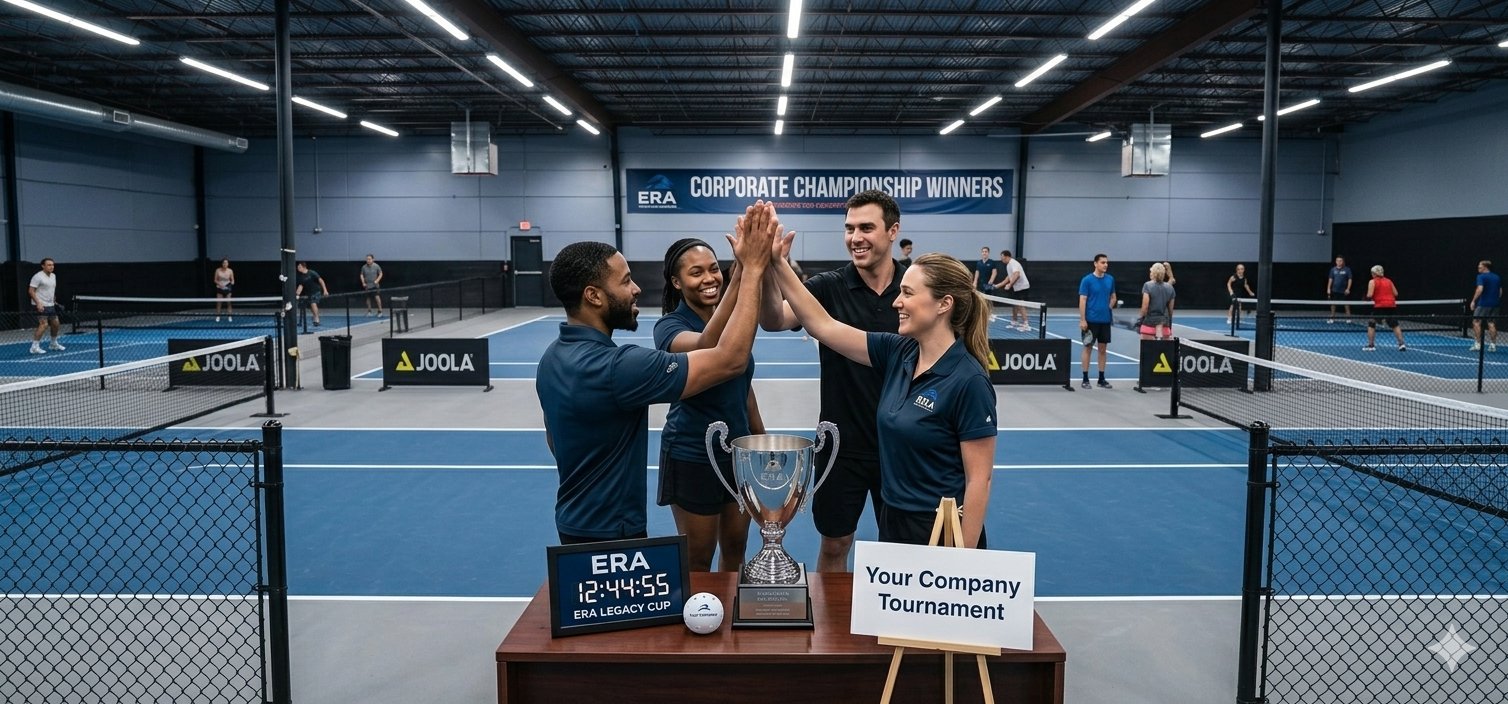
What weekend access looks like on the ground is a blend of structure and flexibility. The center typically opens more courts during prime weekend hours and curates blocks that reflect common patterns you might see in a thriving community gym. Early morning sessions often attract the dedicated player who wants to get in a long solo practice before the day’s commitments take over. Midday blocks tend to draw families and beginners who are curious about the sport, while late afternoon and evening windows draw the competitive crowd that loves a good rally after work. This distribution is not accidental. It’s the product of listening to players, observing court demand, and calibrating rental policies so that there is always something available for a certain type of game, without locking out others.
The practical value of weekend blocks
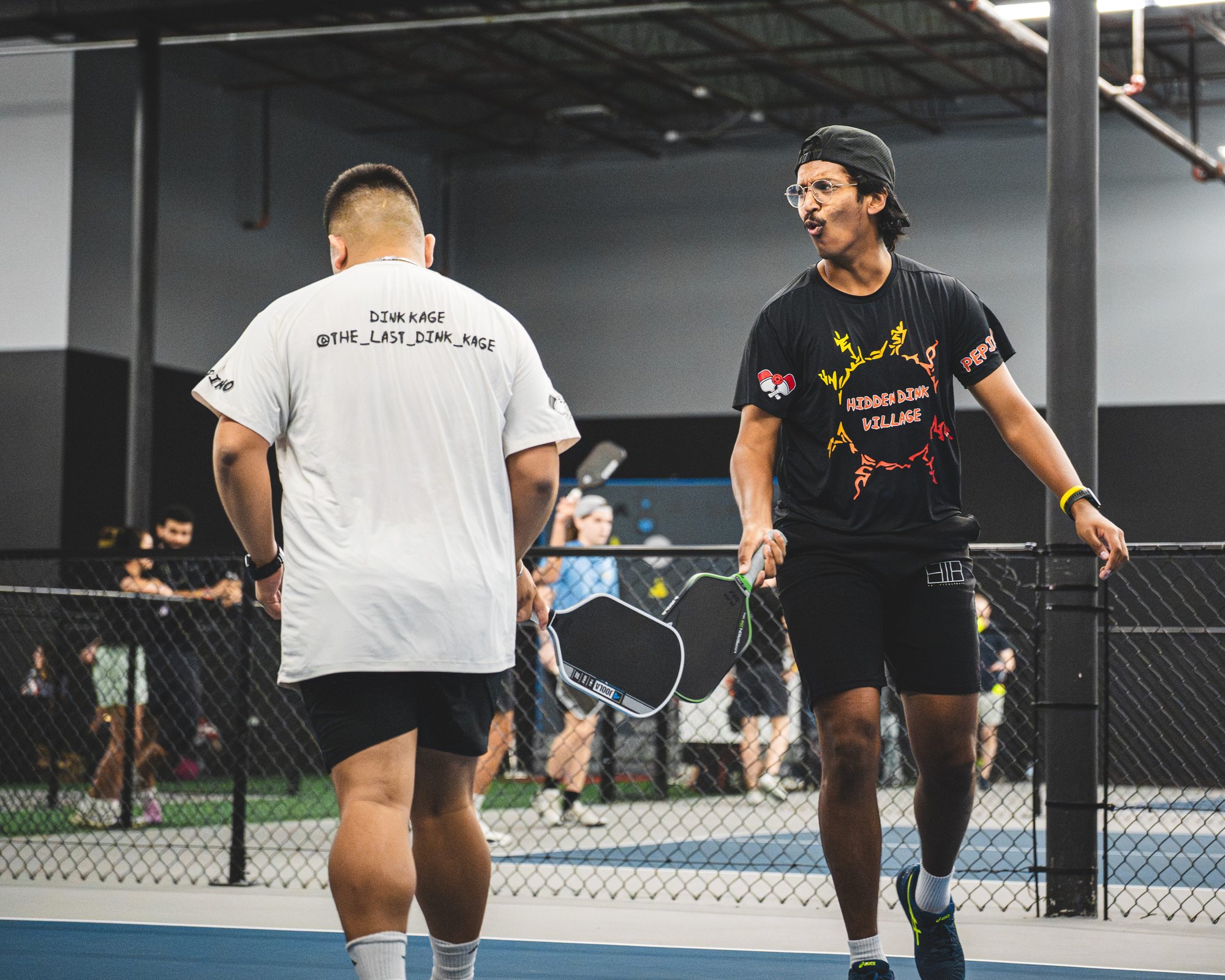
Weekends are when the center’s busiest rhythms emerge. For someone staging a personal pickleball routine, weekend blocks are a reliable framework. You can plan practices around a predictable schedule, especially if you are aiming to raise your game during a defined period—say, a few solid weeks leading into a local tournament. You can also arrange a casual night out with friends who want to try something new without the pressure of an organized league. This combination of predictability and flexibility is a selling point for players who crave structure but resist feeling boxed in by it.
From a management perspective, weekend blocks help keep the center running smoothly. When a center knows how many courts will be used and by whom in a given window, it becomes easier to plan maintenance, restocking of balls, and the availability of training resources like coaching staff or video analysis stations. It also reduces the friction that often comes with ad hoc court requests. If you have ever watched a busy gym suddenly stall because a handful of players were vying for a single court, you understand how important well-managed blocks can be for overall flow. The idea is to create momentum rather than bottlenecks, a small but meaningful difference in a facility that serves dozens, sometimes hundreds, of players each weekend.
Who benefits from weekend blocks
- Regulars who want to preserve a consistent practice habit. The blocks give you a cadence: a dependable time to train and refine technique, without fighting for a court every week.
- Beginners who need stable access to a friendly, low-pressure environment. Weekend blocks are often paired with introductory sessions or open play, which lowers the barrier to entry.
- Social players who value casual play as much as competition. You can assemble a group, book a block, and know you have a dedicated space for an extended session.
- Small clubs or informal teams that want a regular home court. Blocks can act as a shared facility for practice, scrimmages, and even small in-house events.
- Families looking for a weekend activity that appeals to multiple ages. A block can be scheduled to fit around school and weekend errands, making it easier to introduce the sport to younger players.
How the booking system translates into daily life
When you reserve a weekend block at erapickleball.com, you are not merely paying for time on a court. You are committing to a social and practical rhythm. A typical block grants you uninterrupted access for a defined period, with the flexibility to extend if the space remains available. This can be especially valuable if you are in the middle of a focused drill, working through a particular sequence, or testing strategies in a controlled environment. The system also acknowledges the reality that plans evolve. If you find yourself needing to switch blocks, the center’s policies usually offer avenues for rescheduling or swapping with reasonable notice, which reduces the stress of changing plans.
For players who work during the week, weekend blocks offer a window where performance can improve without the fatigue that often accompanies weekday play. You can approach the court with fresh legs and a sharper focus, which translates into longer practice sessions, more precise footwork, and better shot selection. Coaches who operate at the center often encourage this pattern, guiding players through a progression of drills that leverage the weekend energy without exhausting them before Monday morning arrives.
Coaching, clinics, and the weekend ecosystem
Era Pickleball is more than a set of courts. It is a learning ecosystem where coaches and players intersect in meaningful ways. Weekend blocks frequently serve as the backbone for clinics and small-group sessions that complement free play. If you come in on a Saturday morning, you might encounter a clinic that runs in the adjacent courts, with a handful of players rotating through stations. The effect is cumulative: players pick up new techniques, then test them in the open play that follows. The proximity of coached sessions to casual blocks creates a flow where instruction becomes a real-time, hands-on experience rather than a separate event tucked away in an evening schedule.
From a practical angle, clinics offered in the weekend blocks often revolve around common topics—dinking, third-shot drops, serve returns, net play, and mobility drills. The format is typically short, intensive, and designed to maximize repetition in a limited time frame. The benefit to the center is that attendees may extend their blocks or book future sessions based on what they learned and how well the techniques translate to their own games. For players, it is a chance to advance beyond instinct and into repeatable, technically sound patterns that yield tangible improvements over weeks of practice.
Two core aspects shape how clinics blend into weekend blocks:
- Cohesive scheduling that threads clinics into the broader weekend flow. Clinics are slotted between open play and drills in a manner that minimizes court turnover friction while maximizing exposure to structured coaching.
- Targeted outcomes that align with player needs. Whether a participant seeks to fix a single shot or to build a consistent strategy for mid-to-high level rally exchanges, the clinics aim to deliver measurable progress within a few sessions.
What to expect in a typical weekend block
A familiar pattern emerges for both new and returning players. The morning hours usually hum with a mix of drills and first-contact play, as more and more people arrive in soft entrances and warm-up routines. The soundscape changes as the day progresses; players who came in for a quick practice start to join their friends for longer sessions, and the court’s tempo shifts from precise repetition to livelier rallies. You can expect a few constants:
- A reliable check-in process that ensures the right number of participants per court. This reduces the risk of overcrowded surfaces and keeps you honest about your pace and intensity.
- Clear signage and staff presence that helps you navigate block policies. The staff are often ready to offer courteous guidance on court sharing, ball color changes, or equipment needs.
- A mix of indoor etiquette and competitive spirit. The culture at Era Pickleball centers on respect, fair play, and a candid but helpful feedback loop between players and coaches.
The weekend blocks also adapt to external realities—weather quirks if any indoor transitions are required, occasional maintenance that respects ongoing activity, and a rotating roster of coaches whose availability mirrors demand. The result is a resilient schedule that can weather the typical ebbs and flows of weekend life without losing its underlying reliability.
Practical considerations for players
If you are contemplating weekend blocks at the pickleball center, a few pragmatic tips can help you maximize your time and value.
First, plan with a buffer. If you have a three-hour block, allow time before and after for warm-up routines and post-session notes. A little stretch, a few dynamic movements, and a quick review of your goals can dramatically improve your performance during the session itself. Second, arrive with a plan. Weekend blocks are efficient when you walk in with a clear intent—work on your backhand, practice service returns into the diagonal corner, or test a new paddle grip. Third, keep a quiet, attentive demeanor during open play. The best players preserve pace and spacing, which makes the experience enjoyable for everyone and keeps your own learning loop intact.
For those upgrading from casual drop-in to structured practice, weekends are a natural gateway. The block system frees you from chasing open slots and instead anchors your routine around a https://dallasqfbn585.talesignal.com/posts/era-pickleball-how-to-find-a-facility-that-fits-your-schedule fixed cadence. This stability supports consistent progress, which is what so many players crave once they’ve fallen into the habit of playing regularly. It also offers a gentle doorway into higher levels of competition, where coaches and more seasoned players can observe your development and offer targeted guidance.
Two lists to illuminate the weekend experience
- How weekend blocks typically serve different player needs
- Regular practice rhythm for committed players who want a steady cadence.
- Introductory sessions that welcome beginners to a structured setting.
- Social play that keeps the sport approachable and fun.
- Scrimmage blocks where small teams test strategies in a supportive environment.
- Coaching-led clinics that accelerate specific skills in a compact time frame.
- Practical tips to make the most of your weekend block
- Arrive early to stretch and micro-warm up the shoulder and hips.
- Bring extra grip tape, a spare spare ball, and a bottle of water to stay hydrated.
- Keep a short drill journal so you remember what you practiced and what to refine next.
- Use the first set to diagnose what needs the most attention.
- End with a brief reflection on what changed in your game and what to focus on next week.
Edge cases, trade-offs, and studio realities
No scheduling system is perfect, and the reality of weekend blocks is that there will be edge cases. A popular time slot might fill up fast, leaving late arrivals with fewer options. In such moments, a proactive approach pays off: checking the calendar ahead of time, identifying backup slots, and communicating with staff about potential adjustments. Conversely, there will be days when blocks open unexpectedly because of a coach’s cancellation or a lighter-than-usual crowd. Those days offer opportunities to lock in longer practice sessions or to work on personal drills without interruptions.
The trade-offs are instructive as well. When you opt for a longer block, you gain extended practice, but you must contend with the risk of fatigue. Shorter blocks mean more frequent court changes and more opportunities to test new techniques in quick-fire rounds. The smart approach is to match block length to your immediate goal. If the aim is to embed a new movement pattern, longer blocks near a session that includes video analysis tend to yield better retention. If the objective is to sharpen decision-making under pressure, shorter blocks sprinkled with high-intensity drills can be more effective.
Another factor to consider is equipment and facility etiquette. The center’s policy typically supports timely turnover and clean courts, which means players help by keeping the area tidy and returning balls to designated bins promptly. This small adherence to etiquette creates an environment where court turnover happens smoothly, and everyone gets a fair chance to practice.
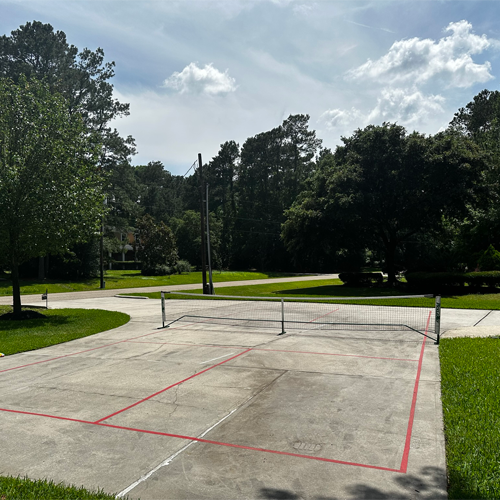
The Era Pickleball difference: community and continuity
What makes the weekend blocks stand out is not simply the scheduling mechanics but the sense of continuity they foster. Era Pickleball is not just a place to rent a court; it is a community that grows through repeated interactions on weekends. People come for the sport and stay for the conversations that happen in between drills and rallies. The center’s staff and coaches become part of a shared journey—the kind of relationship that makes a gym feel like a second home. Over time, players remember faces, share tips that worked in real matchups, and build a network that extends beyond the court line.
This continuity matters for a sport that rewards micro-adjustments and long-term persistence. Weekend blocks create a rhythm that lets players measure progress in weeks and months rather than isolated sessions. You can watch your own game evolve: footwork becomes lighter, serve returns more controlled, and your court intelligence grows as you see patterns emerge during longer practice blocks. The social dimension is equally important. Weekend blocks become social anchors for families and friend groups, a reliable event around which weekend plans can align.
Real-world stories from the Era Pickleball center
Several players have shared how weekend blocks changed their relationship with the sport. A recent newcomer, who enrolled through a local community outreach program, found the weekend blocks to be the perfect entry point: a structured, friendly environment with clear guidance from coaching staff, and a pace that did not overwhelm a new player. Within a few weeks, they moved from tentative curiosity to confident rally participation, a transformation that speaks to the value of having a predictable, welcoming schedule.
Another player, an intermediate-level competitor, appreciated the chance to partner with a coach for a focused drill block. They used the weekend window to refine a particular shot sequence and then tested it in a longer, unstructured open play block. The shift was not dramatic overnight, but the incremental gains added up. By the end of a month, their consistency and decision-making in mid-court exchanges had noticeably improved, which reinforced the sense that a regular weekend routine can compound into real, tangible progress.
The future of weekend blocks at Era Pickleball
Looking ahead, the center plans to expand the weekend block program by adding more flexible options for families and work schedules. This includes exploring shorter two-hour blocks during mid-morning, which could be ideal for parent groups who want to play while kids attend a clinic nearby. The potential for cross-pollination with other community programs is also on the horizon, with partnerships that could bring in more coaching talent and new formats such as mixed-age clinics or skill-specific mini-tournaments that fit neatly within a weekend window.
The overarching aim remains constant: provide reliable access to high-quality courts while nurturing a community that values sport, learning, and camaraderie. If you have not yet sampled the experience, consider what a weekend block can offer you. It is not merely a time slot but a chance to step into a space where skill, effort, and companionship all exist in a constructive, forward-moving balance.
Final reflections on weekend blocks and why they matter
The weekend block system at erapickleball.com embodies a practical philosophy. It respects players’ busy lives by offering predictable, repeatable access to courts while accommodating the unpredictable nature of real life. It recognizes that players grow through repetition, guided practice, and the social energy that happens in a dedicated pickleball center. Whether you are chasing a personal best, seeking a friendly sweat with neighbors, or coaching a small group through a focused drill, weekend blocks provide a reliable framework to pursue those aims.
In practice, the blocks create a virtuous circle: consistent access fuels regular practice; regular practice yields clear improvement; improvement invites more players to join and share in the experience. The center becomes a living space rather than a fixed facility, a place where the sport remains accessible without sacrificing the quality of the user experience. For anyone serious about pickleball, the weekend blocks at Era Pickleball are a quiet investment with substantial returns—time spent on the court translates into confidence, technique, and a sense of belonging.
If you are curious about how the erapickleball.com pickleball academy can fit your weekend schedule, here are a few ideas to consider as you plan your first or next visit:
- Reserve a block that aligns with your natural energy peaks. If you are a morning person, choose early hours; if you are a night owl, look for late blocks that still provide space for quiet practice afterward.
- Pair open play with targeted drills. Use a portion of your block for structured practice and another for free rallying with partners of varying skill levels.
- Bring a buddy or two. Weekend blocks are many times more enjoyable when you can share the experience with friends, family, or teammates.
- Use the opportunity to observe and learn. Even if you are not actively practicing a specific drill, watching coaches and peers can offer subtle cues about footwork, positioning, and shot selection.
- Schedule follow-up sessions. Treat each block as a rung in a ladder toward your next milestone, and book the subsequent block before you leave the facility.
The weekend block model at erapickleball.com reflects a thoughtful blend of structure and freedom. It recognizes that players come with different aims, capacities, and dreams for their pickleball journey. It respects that a community thrives when people know they can count on a court, a coach, and a group of peers who share a commitment to learning and having fun. The result is a weekend ecosystem that feels less like a schedule and more like a practice ground where every rally carries significance, and every practice session builds toward something bigger. In the end, that is what makes the Era Pickleball pickleball center not just a place to play, but a place to grow.