Column · @zionlwtk733
pickleball classes erapickleball.com: Schedules, Fees, and Tips
Walking into a pickleball class at Era Pickleball is rarely just about learning the mechanics of a forehand. It’s about a built environment that supports growth, a slow burn of skill refinement, and the kind of practical coaching that sticks long after the whistle blows. I’ve spent years watching players move through the ranks, from total beginners who can barely keep the ball in play to people who start to anticipate where the return will land before the paddle even makes contact. Era Pickleball offers a range of pickleball classes that are designed to meet people where they are, with schedules, fees, and coaching approaches that reflect a real-world understanding of how adults actually learn a fast-paced, highly repetitive sport.
If you’re exploring erapickleball.com pickleball classes, you’re probably weighing how the schedule fits your life, what the fees include, and how the coaching style translates into real improvement. This article digs into the practicalities of signing up, what you should expect from a typical session, and the nuanced trade-offs that come with different program types. You’ll also find concrete tips drawn from experience, including how to choose the right class for your level, how to prepare for your first session, and what to do if you hit a plateau. By the end, you should have a clear sense of whether Era Pickleball’s offerings align with your goals, your time constraints, and your budget.
Why coaching matters when you start
Pickleball is deceptively simple to pick up, especially if you’ve played racquet sports before. The ball is light, the court is small, and the scoring system rewards consistent placement and smart shot selection rather than raw power. But technique is a moving target. Your serve needs to be reliable, your return should set up the next shot, and your footwork must keep you balanced as you pivot into a dink or a drive. The difference between feeling competent and feeling stuck often comes down to coaching that spots small errors and suggests adjustments you can actually implement in a live rally.
Era Pickleball channels coaching that respects the pace of learning. A well designed class should begin with warmups that prime the body for the specific demands of pickleball play. It should then layer in drills that connect fundamentals—stances, paddle orientation, and shot selection—with on court scenarios that resemble what you’ll face in a real match. Finally, a solid program weaves in debriefs and feedback loops, not just during the session but as a gentle thread that continues through the week via practice assignments or targeted drills you can do at home or in open play.
Understanding the scheduling landscape
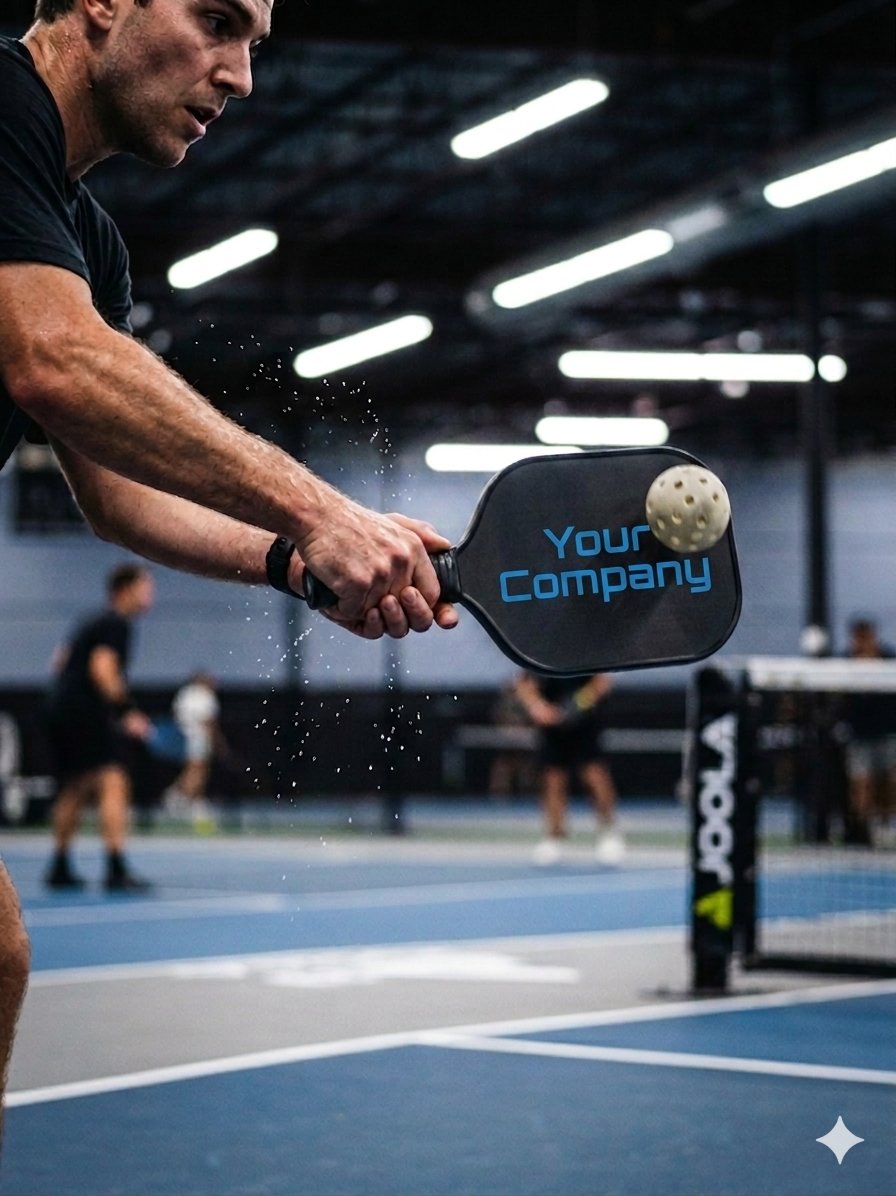
The way Era Pickleball structures its class offerings mirrors how busy adults actually plan around work, family, and other commitments. The schedule is designed to be predictable, but with enough flexibility to accommodate the inevitable changes life throws at you. The guiding principle is that consistent exposure beats sporadic, longer sessions. When you attend more frequently, you build better muscle memory, you reduce the time it takes to translate a drill into a rally, and you start to trust your reads on the court in real time.
One practical lens through which to view schedules is the notion of progression. If you’re new to pickleball, your path usually begins with the fundamentals class, where coaches emphasize grip, stance, and safe, reliable ball control. As you gain consistency, you move into intermediate classes that stress shot variety, placement, and movement patterns such as cross-court transitions and reset exchanges at the kitchen line. For players who have some experience but want to refine specific aspects—serve accuracy, return depth, or poise against aggressive opponents—there are specialty clinics and targeted technique sessions. The ability to mix and match across these offerings means you can tailor a weekly routine that feels like a custom training plan rather than a one-size-fits-all schedule.
What you pay for when you enroll
Fees are not just about access to a court or a pin on a calendar. They reflect a number of practical realities: the expertise of the coaching staff, the quality of equipment maintained for players, and the smaller group sizes that allow for meaningful feedback. In many learning environments, you’ll find that the most productive sessions pair clear instructional cues with enough repetition to embed good habits. In high traffic times, a well staffed program can maintain attention to each player, ensuring that someone is watching your form and offering corrections at just the right moment.
Era Pickleball’s fee structure tends to reward regular attendance and commitment to a plan. If you’re a casual player testing the waters, you might pursue a drop-in style arrangement or a short term package. For the dedicated learner, monthly memberships or multi class bundles can be more economical and provide a built in accountability channel. The key is to understand what you’re paying for beyond the hour of court time. Quality coaching, structured drills, and a schedule that minimizes downtime between segments all contribute to genuine progress. It’s about value per hour of meaningful practice, not merely the sticker price.
The practical rhythm of a typical class
A good class is a tight engine of motion, not a long lecture. The best coaches arrive with a plan but stay responsive to the room. Expect an efficient warmup that targets the hips, ankles, and wrists, followed by a series of short drills that address a shared objective. A common day might start with short serves into the service box, then progress to controlled returns that train depth and placement. Once players are comfortable with the rhythm, coaches introduce live drills that simulate match conditions, with a focus on decision making under pressure.
One hallmark of professional programming is the use of voice cues that are concise and repeatable. A good coach will use a handful of phrases that you can latch onto and practice between sessions. For instance, you might hear reminders to stay low and light on your feet, keep your paddle up and in front of your chest, or visualize the target area rather than chasing the ball. The goal is to craft a mental map of the court that grows with your experience, so your footwork and your shot selection feel almost automatic during a rally.
Best practices for first timers
If you haven’t picked up a paddle in a while, or if you’re stepping onto a new court surface, the first class can feel a little intimidating. A well run program is designed to ease you in without oversimplifying the challenge. The coach will likely pair you with players of similar ability to create a supportive micro environment where you can learn without fear of embarrassment. Expect clear instructions about how to grip the paddle, how to position your body for a dink versus a drive, and how to read just enough of your opponent to decide when to push or pull the trigger on a more aggressive shot.
The social dynamic matters as much as the technical one. Pickleball is as much a conversation as it is a sport. You will learn to call shots with confidence, to adjust to teammates who have different strengths, and to stay patient when a drill or rally doesn’t go as planned. In Era Pickleball classes, the emphasis is on practical improvement you can feel from week to week, rather than a parade of perfect form that’s hard to reproduce under pressure.
Two essential considerations shape the choice of class
First, your current skill level. If you’re a true beginner, you want a class that spends ample time on fundamentals, with a pace that lets you internalize the basics before moving on. If you’ve played a season or two, you’ll look for a program that challenges your consistency and introduces more tactical choices. The second factor is your personal objectives. Are you interested in playing in a league, or do you mainly want a social workout with a bit of technique thrown in? Your answer will steer you toward the right program, whether it’s a fundamentals series, a mid level strategy course, or a high tempo drill night.
What to bring to class and what to expect from equipment
A good coach will assume you’re ready to focus on technique, not on battling with your gear. Still, there are a few practical steps that help you show up prepared and ready to practice. A well prepared player arrives with a water bottle, a towel for moisture management, and an extra grip or two if you have them. Shoes should be clean and court appropriate, with good lateral stability so you can move quickly without slipping. A common question for newcomers is whether to bring a spare paddle. If you’re trying out era pickleball classes for the first time, you’ll often be supplied with equipment, but having your own paddle that feels comfortable by the time you graduate to more advanced classes can accelerate your sense of control.
Coaching style and feedback loops
Coaching for many is a blend of demonstration, correction, and encouragement. The best coaches in this space are not simply instructors but observers who notice small inconsistencies in grip, stance, or readiness and translate those into practical adjustments you can implement in a live rally. There is value in occasional direct corrections, but there is even more value in slower, deliberate practice where you’re allowed to fail and refine in a low-stakes setting. Era Pickleball emphasizes feedback that is specific, timely, and actionable. If you’re told to adjust your paddle face angle, you’ll likely get a moment to test that exact adjustment, see its effect on the ball, and then continue practicing with a clear mental cue.
The nuance behind class design
A strong class design accounts not only for the technical details of the game but also for how adults learn. People come to pickleball with different levels of time investment, previous athletic experience, and personal goals. A well conceived program builds in progression so you can track your own improvement. It also recognizes the physical realities that can constrain a player, such as joint weariness, back issues, or simply the unpredictable tempo of a work week. The most durable coaching systems provide flexibility: slotting in short, targeted drills when you only have an hour, or escalating to more immersive sessions when you have time to commit.
Two lists you should consider when evaluating era pickleball classes
First, use this checklist to gauge if a program aligns with your needs:
- Are the classes grouped by skill level so you can find a comfortable starting point?
- Does the schedule accommodate your typical week without forcing a long commute on busy days?
- Is there a clear progression through fundamentals to more advanced technique?
- Do coaches supply feedback that is specific and actionable, with follow up drills?
- Are equipment needs clearly stated and practical, with access to loaner gear if needed?
Second, here is a quick practical guide to what tends to work well for most players who want steady improvement over a season:
- Attend consistently rather than sporadically to cement new motor patterns.
- Pair drills that target your weaknesses with occasional competitive play to test under pressure.
- Bring a notebook or a mobile note to capture the cues you learn during a session.
- Schedule a periodic skills check with your coach to track progress and reset goals.
- Practice outside class with short, focused routines rather than long, aimless sessions.
Pitfalls and edge cases to watch for
As with any structured training, there are potential misalignments you want to anticipate. If the coaching density is high and the group is very large, you may find that feedback becomes general rather than individualized. In that case, you should ask for targeted tips that you can apply during your next rally. If the schedule feels too rigid and you’re juggling work with life obligations, you could benefit from a hybrid approach: a weekly fundamentals class complemented by a private or semi private session to nail down stubborn issues. The reality is that progress in any sport comes with a mix of guided practice, self directed repetition, and the patience to let skill development unfold over time.
How to pick your starting point
Start with a candid assessment of your current ability. If you’ve played casually but never really learned proper fundamentals, a beginner or fundamentals oriented class is best. If you have a grasp on basics but you’re inconsistent under pressure, a mid level or strategy focused class can be more useful. If you already have a social group you want to bring to the court, you might want to consider a mix of social play times with a core practice routine under the supervision of a coach. The program at Era Pickleball is designed to accommodate that mix, with a ladder of classes that can be stacked in a way that mirrors a personal training plan rather than a one off experience.
What you gain when you invest in pickleball training
The argument for committing to a class schedule is not only about better shots or faster footwork. It is about the mindset shift that comes with deliberate practice. You learn to evaluate your own performance more clearly, to separate your feelings from your results, and to approach improvement as a long game rather than a string of quick wins. You also gain a sense of community, someone cheering for you when you execute a well placed dink, and a coach who helps you see the next logical step rather than preserving the status quo. All of these pieces matter because they influence how likely you are to show up, to push through the rough patches, and to continue improving week after week.
A realistic look at outcomes
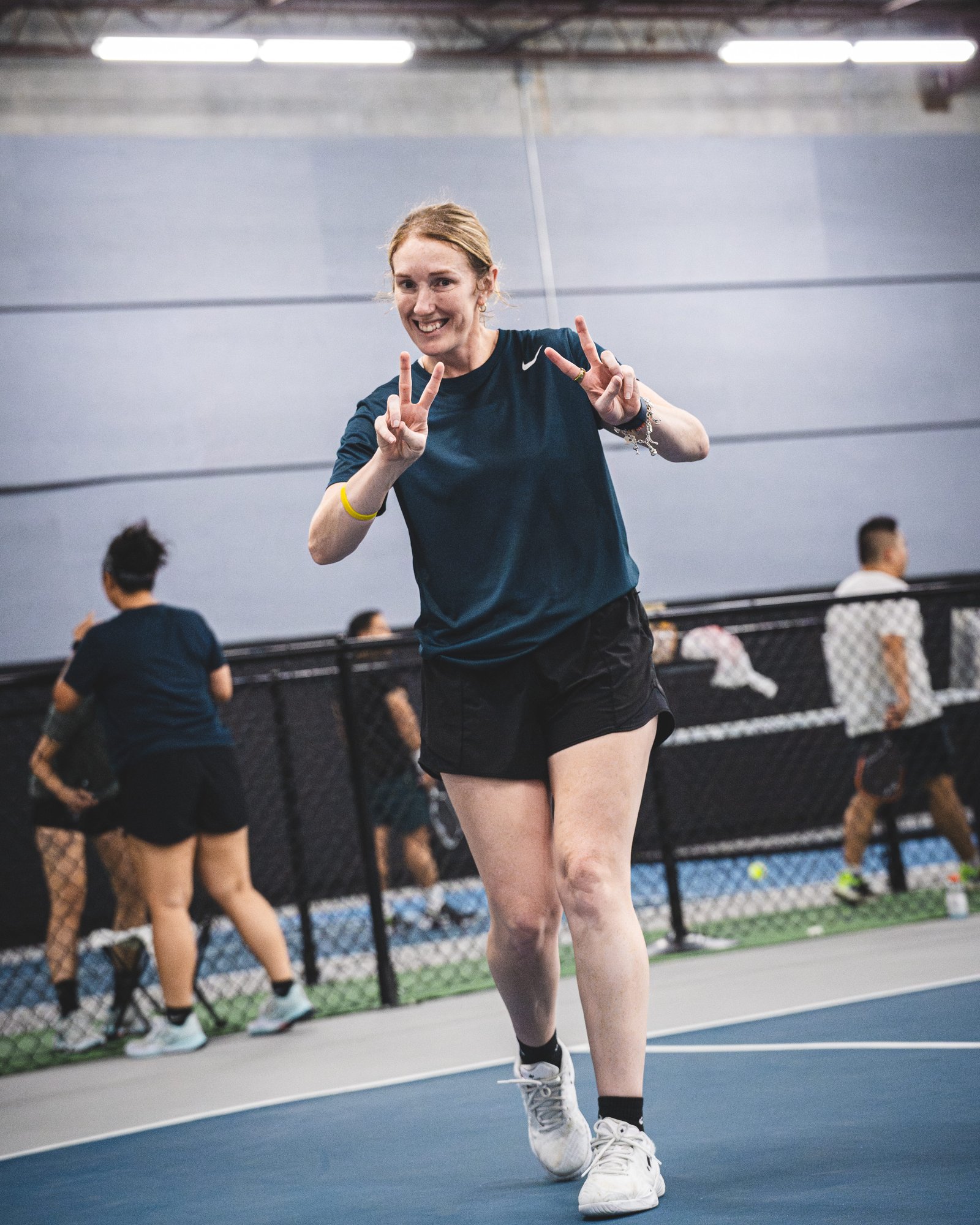
If your goal is to compete at a higher level, you should expect a conceptually clear pathway, not miracles. Improvement takes time, and the clock behind your development on the court isn’t the clock you carry around in daily life. Expect to encounter natural plateaus as you bring new mechanics into play under more dynamic pressure. The trick is to keep your practice focused and to allow your success in one aspect of the game to feed your confidence in others. A well planned era pickleball class sequence will embed a chain of progress that makes it easier to withstand the inevitable rough days and keep moving toward meaningful milestones.
Practical tips for signing up and getting the most from your enrollment
- Before enrolling, watch a class if you can. A gentle observation period lets you gauge the coaching style and the class atmosphere. When you step onto the court for the first time, you’ll know whether the cues feel intuitive or if you need a different pace.
- Be honest about your starting point. If you know you’re not training at the same intensity as your partner or friend, don’t be shy about telling the coach. They can tailor drills to your needs and help you avoid overreaching.
- Schedule time for catching up between sessions. Short practice sessions at home or in the gym can reinforce what you learned in class without becoming a second full class. Consistency matters more than long, occasional bursts of effort.
Incorporating era pickleball classes into a broader fitness routine
A strong pickleball program works best when it sits alongside other training disciplines rather than in isolation. If you’re lifting or doing cardio, you’ll notice your stamina, court movement, and reaction times improve more quickly when you add specific on court practice. Your warmups can borrow mobility work from your fitness regimen, your cooldown can align with stretching routines you already perform, and the focus on coordination will pay dividends across activities. In the end, it is the cross pollination of skills that makes a training plan sustainable and enjoyable.
What makes era pickleball coaching and training unique
Era Pickleball coaching emphasizes a practical, down to earth approach. While the surface of the game can look the same as in any other program, the underlying structure is designed to help you translate drills into real play quickly. You won’t find grandiose claims here. Instead you’ll find coaches who bring years of playing and coaching experience, a clear sense of how adults learn, and a commitment to helping you move through a sequence of classes that keeps you progressing. The result is a program that feels honest and achievable, with a focus on real-world results rather than theoretical excellence.
A closing note on accessibility and inclusivity
Coach and student dynamics matter, but so does the environment. A great pickleball class should be welcoming to players of all backgrounds, ages, and levels. You should feel safe asking questions, requesting adjustments, and sharing feedback about what’s working or not. Era Pickleball has built its offerings with that principle in mind. The community on the court becomes an important part of the learning process, a read more space where curiosity and consistent practice converge to produce tangible skill growth.
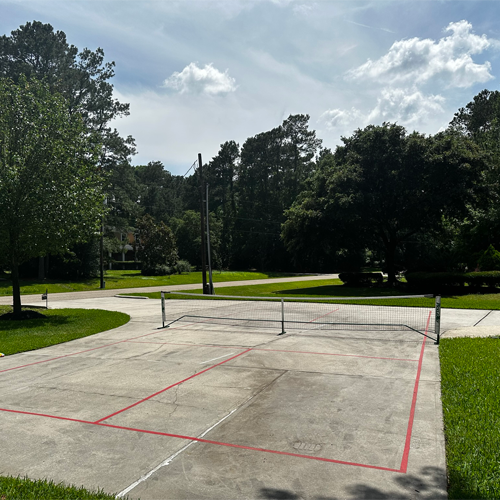
If you’re weighing options for pickleball classes, Era Pickleball is a brand to take seriously. The scheduling and fees reflect not only the cost of maintaining high quality coaching but the expectation that players will put in the time to translate technique into competitive play. The coaching philosophy prioritizes practical improvement and lifecycle learning rather than quick wins. For many players, that approach is exactly what helps them stay engaged and progress in meaningful ways.
A few practical reminders as you navigate your first season
Plan for the long view. Improvement happens on a timeline that rarely mirrors your calendar. You will improve in stages, and that’s normal. Give yourself permission to move slowly and methodically, especially if you’re in the fundamentals phase. Early weeks are about building dependable mechanics, not about winning rallies. Your best results often come after you’ve internalized the basics and you’re ready to apply them under more pressure.
Be honest with your coach about how your body feels. If a drill feels like it’s pushing you past your comfort zone, speak up. There’s nothing wrong with adjusting intensity or swapping a drill for a safer alternative. The goal is sustainable progress, not a short term spike in effort that leads to burnout or injury.
Focus on the small wins. A well timed dink that places the ball exactly where you want it, or a serve that lands in the service box consistently, are evidence of real growth. These moments accumulate. They build confidence and they form a foundation you can rely on during tougher matches.
The long arc of improvement is not about a single technique that changes everything. It’s about the incremental adjustments you make across your stance, grip, footwork, and shot selection. It’s about recognizing patterns in your own play and having the right cues to correct them when the pressure intensifies.
If you’re considering era pickleball classes, I’d suggest starting with a fundamentals or beginner oriented option, then bundling subsequent sessions into a cohesive training plan. Give yourself time to absorb the coaching, and resist the urge to rush into more advanced concepts before you’re ready. The strongest players in my experience are those who lean into the process, not those who chase the most dramatic improvements in the shortest period.
Closing thought for prospective students
Era Pickleball’s classes offer more than a routine workout. They provide a structured path through a sport that rewards repeatable practice and thoughtful adaptation. The schedules are designed to accommodate real life, and the fees reflect a commitment to high quality coaching and consistent, practical training. If you want to turn your interest in pickleball into reliable skill that translates into better rallies and more confidence on court, this is worth exploring. The key is to show up with curiosity, stay present for the feedback, and keep your expectations aligned with the pace at which you can realistically learn and grow. In time, the improvement you seek becomes less about fancy shots and more about a confident, intelligent game plan you can rely on.