Column · @zionlwtk733
erapickleball.com pickleball training: Nutrition for Peak Performance
Pickleball, at its core, is a game of rhythm, precision, and decision making. Yet the difference between a good session and a great one often comes down to something less glamorous than footwork or paddle control: nutrition. For players who show up week after week at Era Pickleball pickleball classes, the quiet work that happens off the court—fueling workouts, supporting recovery, and sustaining focus during long matches—can be the deciding factor in peak performance. This article blends practical experience from coaching and training environments with evidence-based guidance that translates to real life on the court.
The body of a pickleball athlete is a living system. It runs on energy, but energy is not a single substance. It’s a complex interaction of macronutrients and micronutrients, timing, hydration, and the way the brain receives signals from the body during rapid, multi-directional movement. In the paddock of a busy facility like Era Pickleball pickleball coaching and training programs, players often come in with a baseline level of fitness, but their nutrition habits lag behind. The result is gaps in endurance during longer sessions, slower recovery, and a mind that feels a few steps behind late in a match when the physical intensity climbs.
This piece is not about a one-size-fits-all plan. It’s about understanding priorities, adapting to your schedule, and using nutrition as a tool to support your specific goals, whether that means lasting through a three-set night, cutting down on nagging cramps, or shaving a few seconds off recovery time between points and games. The approach here draws on the kind of rigour you’d expect in high-level training environments, but it stays practical, teachable, and immediately applicable for players in pickleball classes era.
Fueling for the session: energy availability and what to eat before play
A lot of players show up under-fueled, thinking the upcoming session will burn through any slack energy. The truth is that hardwood courts tolerate only so much close-quarters movement before fatigue starts eroding technique and decision making. The aim of a pregame nutrition plan is simple: ensure adequate glycogen stores in the muscles and maintain stable blood glucose to keep cognitive sharpness high.
For morning or afternoon sessions, timing matters. If you have the luxury of planning ahead, a balanced snack or meal 1.5 to 3 hours before play works well. If you’re tight on time, a lighter option 30 to 60 minutes prior can still be effective, provided you don’t push yourself into a high-fiber or high-fat meal just before an intense drill block.
Key practical guidelines
- Prioritize easily digestible carbohydrates before play. Think oats, banana, yogurt with fruit, toast with a thin spread of peanut butter, or a small smoothie. The goal is rapid glucose availability without stomach distress.
- Include a modest amount of protein to support muscle function and delay fatigue. A glass of milk, a small cup of yogurt, or a protein shake can complement carbohydrate-focused pregame fuel without weighing you down.
- Hydration starts before you step onto the court. A simple rule is to drink a glass of water or an electrolyte beverage 15 to 30 minutes before warmups begin, then sip consistently through the session.
- For longer sessions or tournaments, consider a second, lighter carbohydrate source during play. A small energy gel or a sports drink that you tolerate well can help maintain energy without spiking insulin too aggressively.
- Keep fiber modest pregame to avoid gastrointestinal upset. If you’re sensitive, experiment with 10 to 15 grams max of fiber before play rather than a high-fiber meal.
On court you’ll see players who bounce back quickly from a tough game and others who sag. That difference often traces back to what happened in the two to four hours before play. Experienced players at era pickleball training sessions have learned to pair predictability with experimentation. They track what works for them, then build a routine that survives travel, late starts, and back-to-back matches. The bottom line: steady energy beats dramatic spikes and crashes.
Recovery habits that restore speed and decision-making after a long rally
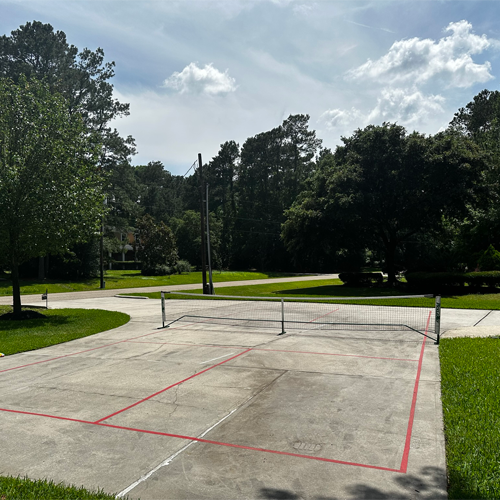
Recovery is not a postscript to training; it is a core component of training. The best players I’ve coached understand that the clock between points is precious. The faster you recover, the sooner you can reset your footwork patterns for the next rally. Recovery starts with nutrition, but it extends to hydration, sleep, and gentle movement to promote circulation.
A practical recovery routine after a hard block looks like this:
- Immediately after practice or a match, rehydrate with water or a beverage that contains electrolytes. If you’ve sweated a lot, a drink with sodium can help restore balance more effectively than water alone.
- Consume a snack or meal containing both carbohydrates and protein within one to two hours after play. The combo speeds up muscle glycogen resynthesis and supports repair of micro-tears caused by high-speed dashes and rapid changes of direction.
- Include a pinch of salt on meals if you’re a heavy sweater and training in hot conditions. Salt helps with fluid retention and may help reduce fatigue when you’re pushing close to your limit.
- If you’re training again the next day, plan a post-activity meal that isn’t too heavy but provides adequate protein and carbohydrates to top up stores.
Anecdotes from the court: lessons learned the hard way
I’ve watched players who were excellent technicians but neglected the nutrition piece during a tournament run. In the middle of a tight semifinal, cramps began to bite at the most inconvenient moment. The culprit was not a lack of willpower or effort; it was a mismanaged ride between meals and a pre-match snack that didn’t sit well. The same individual later learned to carry a small bag of easily digestible snacks and a hydration plan that was adaptable to temperature changes and travel delays. It wasn’t glamorous, but it was effective. The smallest adjustments—water first, then a little salt, then a light snack—translated to less interruption in the match flow and more time focusing on shot selection.
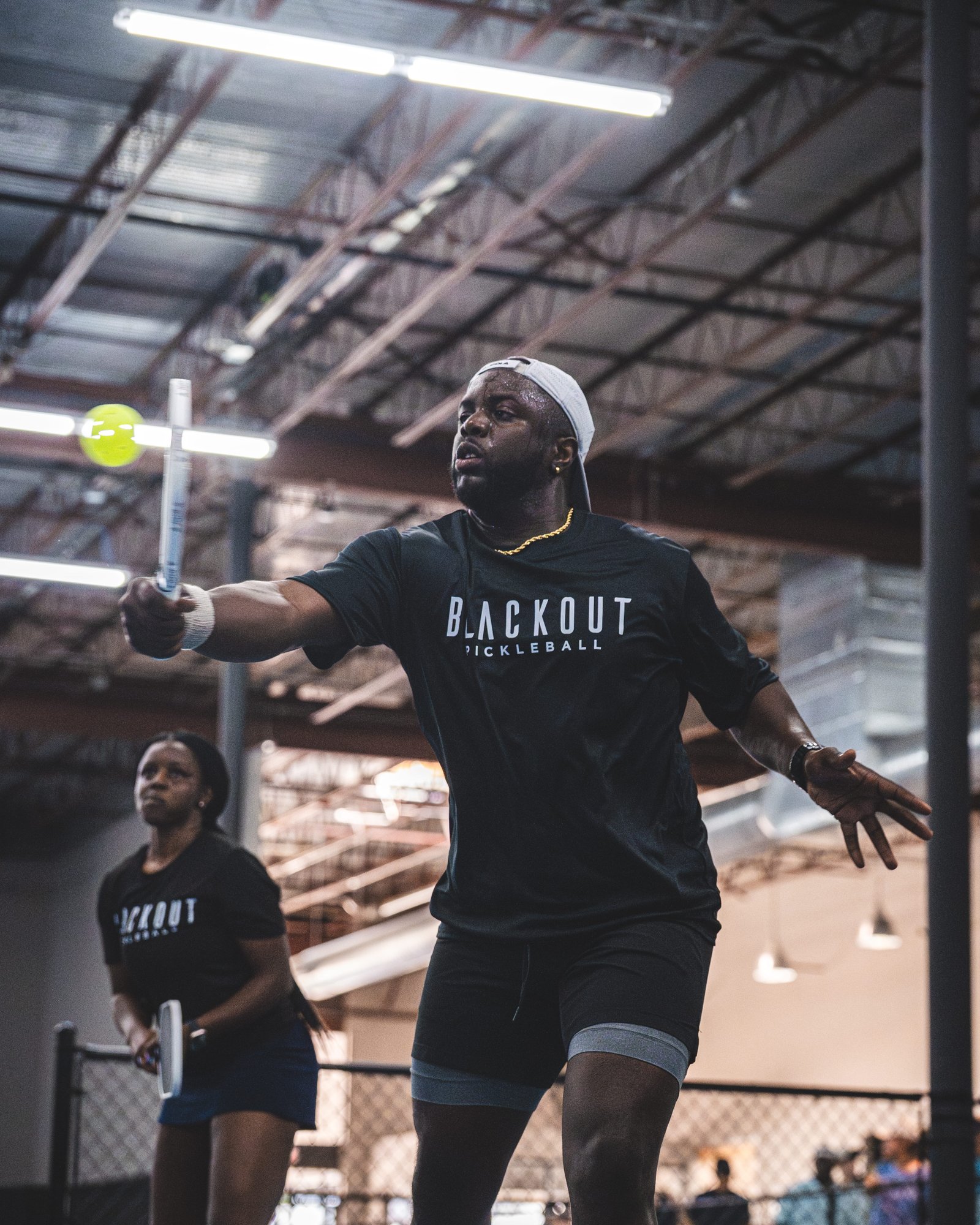
Another story that sticks with me concerns two players who shared a court for a weekend bracket. One player maintained a consistent intake of fluids and carried a compact recovery meal for post-match intensity. The other relied on last-minute energy boosts from caffeinated beverages and high-sugar foods that caused mid-session jitters and a crash between games. By the end of the weekend, the former had fewer aches, more energy in late rounds, and a sharper mind when it mattered most. It’s not about perfection; it’s about a framework that enables consistency even when schedules are hectic and travel is involved.
Macronutrients, timing, and your specific goals
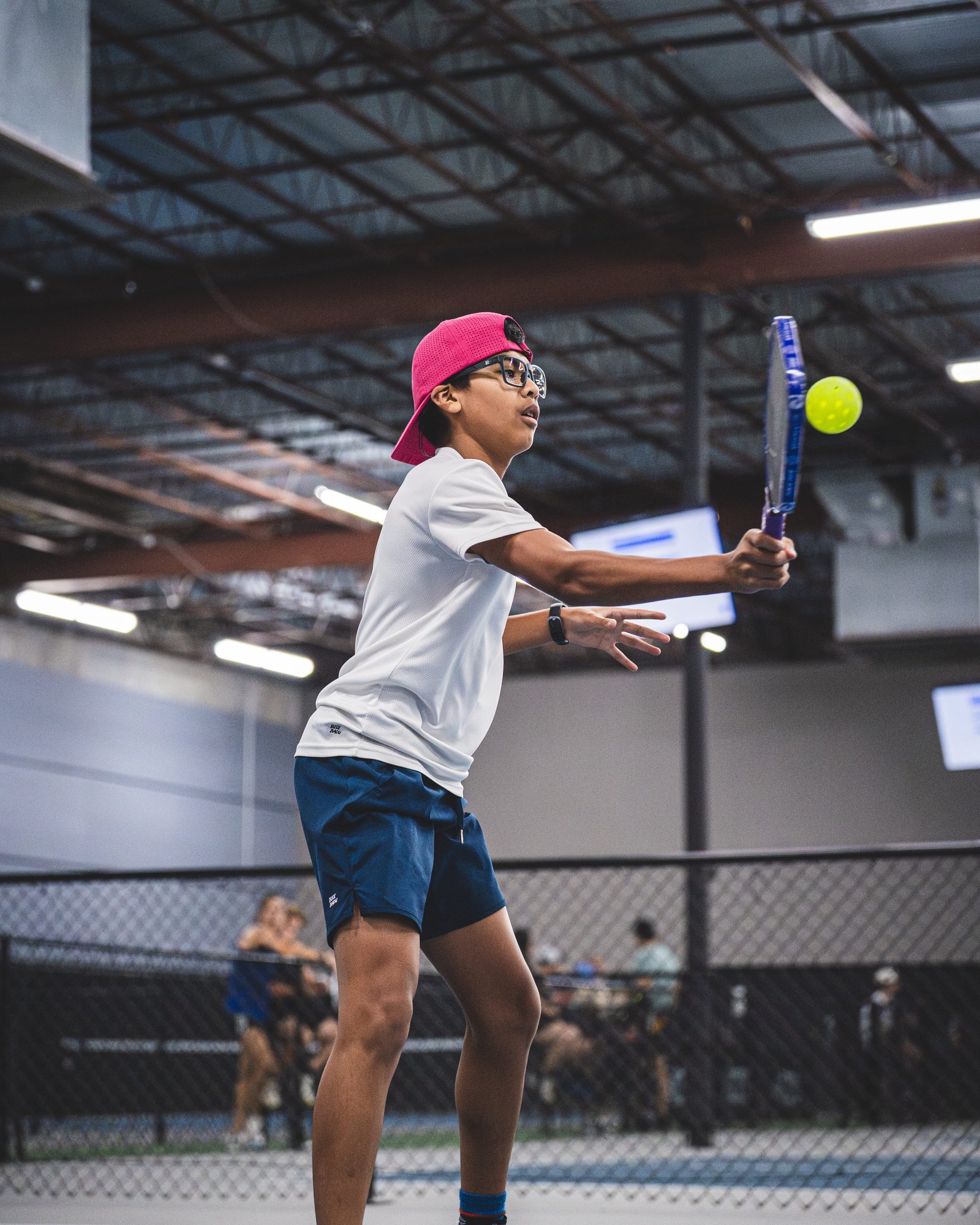
Carbohydrates, proteins, and fats each play a part in your pickleball performance. The balance you choose should reflect your goals, your body’s tolerance, and the length of your training blocks. A general approach that fits a broad range of players is to emphasize carbohydrates for energy, include adequate protein for maintenance and recovery, and moderate fats to support energy without slowing digestion immediately before play.
- Carbohydrate intake should align with training duration and intensity. Short practice blocks can be fueled primarily with carbs from everyday meals, while longer or more intense sessions may warrant pregame snacking and intra-session fueling.
- Protein intake is important for muscle repair, especially after demanding sessions or days with multiple practice blocks. A portable protein source that you tolerate well is worth keeping in your bag.
- Fats matter for overall energy and satiety, but they slow gastric emptying. Save larger fat-containing meals for a few hours before play, not immediately before it.
While this framework helps most players, nuance matters. If you’re a lighter, endurance-focused player who tends to perform well with medium-length sessions, you might find a slightly higher carbohydrate strategy boosts your endurance. If you’re a power-focused player who values quick bursts and short rallies, you may prefer a smaller, more frequent fueling pattern to prevent heavy feeling during rapid lateral movement.
Hydration beyond water: electrolytes and smart choices
Water remains the baseline, but in hot environments or during long sessions, electrolytes move from optional to essential. Sodium, potassium, magnesium, and calcium each support nerve transmission, muscle contraction, and hydration status. The trick is to use them strategically without overloading your gut or causing a salty aftertaste that makes you want to skip the beverage entirely.
- A simple electrolyte solution can be enough for most players during a 60 to 90 minute session. Look for products with moderate sodium levels and no excessive added sugars.
- For longer events, or if you’re a heavy sweater, consider swapping in electrolyte-rich snacks along with your fluids. A small pretzel, a salted nut mix, or even pickles can supply sodium while you keep moving.
- If you’re experimenting with electrolyte drinks, test them during training rather than during a tournament. You want to know how your stomach handles them and whether they improve endurance in practice before bringing them to competition.
Micronutrients and subtle advantages
Vitamins and minerals often sit in the background, but they underpin energy metabolism, nerve function, and recovery capacity. Iron, vitamin D, calcium, and B vitamins, among others, can influence performance in subtle yet meaningful ways. Most players find they can meet micronutrient needs through a varied diet that includes lean proteins, dairy or fortified alternatives, whole grains, fruits, vegetables, and a responsible amount of healthy fats. In some cases, a targeted supplement plan might help, especially for individuals with known deficiencies or dietary restrictions. The critical part is to get an assessment from a qualified professional and avoid self-prescribing boosters that promise dramatic results without evidence.
One common pitfall is over-reliance on supplements in place of a solid dietary pattern. Supplements can fill gaps, but they cannot replace whole foods, which come with a matrix of nutrients that work together in complex ways. The most experienced players I’ve coached avoid chasing the latest trendy product and instead focus on a dependable daily routine that supports performance with steady energy and reliable recovery.
Meal planning with a practical mindset
An effective nutrition plan for pickleball is not a blueprint printed on a wall; it’s a flexible system that fits your daily life. Your typical week should include meals that are easy to prepare, portable, and nutritionally balanced. If you travel for tournaments or long practice blocks, your system should travel with you in a way that keeps your energy steady and your stomach calm.
What this looks like in a real-world training rhythm
- A reliable daily breakfast that includes a source of protein, a portion of carbohydrates, and a fruit or vegetable. Think eggs with whole-grain toast and berries, or Greek yogurt with granola and sliced fruit.
- A midday meal that pairs intense activity with nutrients that support muscle repair. Grilled chicken or beans with quinoa or rice, plus vegetables and a splash of olive oil, makes a practical go-to option.
- A lighter dinner that favors lean protein and vegetables, with a moderate amount of carbohydrates to replenish stores without leaving you bloated before sleep.
- Snacks that are portable and digestion-friendly. Nuts, fruit, yogurt, cheese sticks, or a small whole-grain wrap with lean protein can bridge gaps between school, work, and practice.
The two lists below offer concise, actionable guidance you can adapt to your life. They’re designed to be read quickly and implemented without turning nutrition into a second job.
List 1: Pre-game fueling options (choose a couple that work for you)
- Banana with a tablespoon of peanut butter, plus a small glass of water
- Oatmeal with a drizzle of honey and a handful of berries
- Small smoothie with Greek yogurt, fruit, and a splash of milk or water
- Toast with jam or honey and a light spread of almond butter
- Yogurt cup with a few slices of fruit and a sprinkle of granola
List 2: Post-match recovery essentials (simple and practical)
- A protein source and carbohydrate mix within two hours of play
- A drink with electrolytes if you’ve been sweating heavily
- A small salty snack to help with fluid balance if the session was intense
- A cooling snack that’s easy to digest, like a fruit smoothie or yogurt
- Hydration tracking to ensure you return toward baseline within a couple of hours
The reality of training with nutrition is that every athlete encounters edge cases. A player may have a sensitive stomach after a heavy training block or a travel schedule that disrupts sleep. In those moments, the best plan is not a rigid rule but a flexible strategy rooted in experience. For instance, if you know you tolerate a light pregame snack but struggle with dairy, you’ll rearrange your options to avoid dairy right before play while keeping carbohydrates steady. If you’re traveling across time zones, you’ll shift meals to align with local mealtimes while maintaining your energy rhythm.
Training, practice, and competition are all different scales of stress on the body. A well-structured nutrition plan can help you manage those stressors by supporting energy production, stabilizing blood sugar, and enhancing recovery. In the context of Era Pickleball pickleball coaching and training programs, nutrition becomes a tool that complements technique, strategy, and conditioning.
The psychology of nutrition on the court
Energy is not just physical; it’s mental. The simplest way to describe it is this: when your body has a steady supply of fuel, your brain can process options during a rally with less noise. You notice patterns, you anticipate movement with more confidence, and you choose shots with a calmer, more deliberate rhythm. Players who pay attention to what they eat tell me they notice fewer brain fog moments in critical moments of a match. They feel as if the court slows down a notch, which matters when you’re reading a migration of shots and deciding whether to commit to a bold drive or play conservatively.
On the other hand, unnecessary hunger or a sugar crash can wipe away the edge you’ve developed over weeks of training. The difference is not a dramatic breakthrough in technique alone; it’s a sequence of small, deliberate decisions about what and when you eat. Those choices accumulate and shape your performance over the course of a season.
Coaching insights: translating nutrition into practice
In the gym and on the court, nutrition translates into energy on demand and faster recovery. The role of a coach in nutrition is not to micromanage every bite but to help athletes build practical systems that align with their lives.
- Build habits that travel well. If you’re heading to a tournament far from home, you want a set of reliable meals and snacks that you can take with you. The more you can replicate your comfort foods in a travel-friendly form, the less your energy dips during travel.
- Normalize preparation. The player who plans a simple, repeatable pregame ritual is more likely to show up with consistent energy. It doesn’t have to be elaborate; it just has to be consistent and effective.
- Embrace flexibility. There are days when you need more quick carbs; other days you might want more protein and fats to feel balanced. Your plan should accommodate both ends of that spectrum without creating cognitive load.
- Track outcomes. A simple log of what you eat, how you feel, and your performance can reveal patterns over a season. You may discover that certain foods correlate with crisper footwork or longer endurance during practice blocks.
- Respect the boundary between performance and recovery. Pushing through a tough practice while depriving yourself of basics is a short-term win with a long-term cost. The most resilient players treat nutrition as a sustained, daily practice, not a reaction to a bad day.
Edge cases and common missteps
The journey toward real, sustainable improvement through nutrition is not a straight line. There are pitfalls to avoid and subtleties to respect.
- Overcomplicating nutrition plans. A complicated, rigid schedule often becomes a source of anxiety rather than a tool for performance. Simplicity is a strength. Aim for a few dependable patterns that you can repeat consistently.
- Ignoring sleep. Nutrition and sleep are entwined. You can fuel well and still derail performance if sleep is inconsistent or poor. Guard sleep as you would guard your most important drills.
- Underestimating hydration. Thirst is a late signal. Start with a hydration routine that begins before you step onto the court and continues throughout your day.
- Relying on caffeine for all-day performance. Caffeine can be a useful ally, but it’s not a substitute for steady energy. Dependence can lead to jitters or energy crashes.
- Neglecting recovery nutrition. Post-workout meals are not optional; they’re essential for growth and repair. If you treat recovery as an afterthought, you’re leaving potential on the table.
Designing a nutrition pattern that fits your life
The best approach is a personal plan that evolves with age, goals, and schedule. Start with a baseline that you can adjust as you learn more about how your body responds to different foods and timing. A practical way to begin is to choose a few reliable meals and snacks and then tune the timing to match your practice and competition schedule.
If you’re in Era Pickleball pickleball classes and you want a concrete starter plan, consider this simple framework for a typical training day:
- Breakfast with protein, carbs, and a serving of produce
- A mid-morning snack if you have a long gap before practice
- A pre-practice meal or snack with carbs and modest protein
- Hydration strategy mapped out for practice and post-practice
- A post-practice recovery meal within two hours
As you gain experience, you’ll identify your go-to foods, what causes stomach upset, and how you perform when you’re properly fueled versus when you’re not. That self-knowledge is the most valuable asset you can bring to a training partner or coach.
Practical considerations for different scenarios
Young players just starting in pickleball classes Era Pickleball and adults juggling work and family will have different constraints. The point is to design a plan that accommodates the realities of your life. Here are some practical considerations to tailor the guidance to your situation:
- Workday players. If you have a full-time job and practice in the evenings, a balanced lunch and a planned snack before practice can prevent the mid-spread fatigue that setbacks many players. Prepare meals that are easy to pack and reheat and keep healthy snacks on hand for late-day energy.
- Weekend warriors. For players who compete on Saturdays and Sundays, your energy rhythm must bridge two competitive days. Plan for larger carbohydrate intake on competition mornings, with steady hydration and a predictable post-match routine that supports recovery.
- Travel athletes. When you move between cities, meal quality becomes a challenge. Pack light, durable foods and identify reliable dining options near your hotel or venue. The goal is to preserve a familiar energy balance, not chase a new one with every meal.
- Injury and rehab phases. If you’re in a rehab period or dealing with minor injuries, protein becomes the anchor for preserving lean mass, while hydration remains critical. You may reduce training volume but keep fueling for repair and tolerance.
Quality and safety: evidence-informed but practical
The guidance above rests on widely accepted nutrition principles and observed effects in athletic populations. It is not a replacement for medical advice in case of specific health concerns or medical conditions. If you have a chronic health issue, allergies, or a medical condition, consult with a registered dietitian or clinician who can tailor guidance to your needs. The aim here is to translate broad knowledge into practical steps for pickleball players in training environments.
Final perspective: nutrition as a competitive edge
Nutrition is not glamorous; it’s a quiet workhorse that lifts you when technique, drills, and strategy are doing their usual heavy lifting. For players who train seriously in Era Pickleball pickleball training programs, the payoff is not just improved endurance or faster recovery. It’s the steadier decision making, the sharper anticipation, and the confidence that comes from moving with less effort in the later rounds of a match.
In practice, your nutrition plan is the difference between reaching for a second wind and running out of steam when the rally stretches to eleven or twelve shots. It’s the difference between a serve that finds the crease and one that sails high because you misread the body’s fuel cues. It’s the quiet confidence of knowing you’ve put in the work to support your performance, on and off the court.
If you’re a player in era pickleball training circles, consider this: you don’t need a revolutionary overhaul to see gains. Small, consistent adjustments—timed nutritionally sound meals, reliable hydration, and recovery-forward snacks—can cascade into meaningful improvements in energy, focus, and technique. When you bring nutrition into your training plan with the same seriousness you bring to your footwork drills, you’re creating a more complete, repeatable system for peak performance that endures through the season.
A few takeaways to start applying now
- Build a predictable pre-game routine that centers on easily digestible carbohydrates with a touch of protein, adapted to your stomach tolerance.
- Treat hydration as a constant, not a reaction to thirst. Use electrolytes in longer or hotter sessions to maintain balance.
- Prioritize recovery nutrition after practice and matches, aiming for a mix of protein and carbohydrates to support glycogen replenishment and tissue repair.
- Keep simple, portable snacks ready for travel, tournaments, and long practice blocks so energy remains stable when schedules tighten.
- Track what works for you over several weeks, then refine your routine to fit your life and your goals.
Nutrition for peak performance in pickleball is not a single hack or a flashy supplement. It’s a disciplined, iterative practice that aligns with the way you train, travel, and compete. The payoff is tangible—a more consistent energy curve, crisper reflexes, and a steadier mind under pressure. In eras of long days and tight brackets, that combination can be the edge that separates good players from the players who routinely beat themselves in the late stages of a match.
If you’re curious to explore how nutrition fits into your specific training plan, the best next step is to talk with a coach who understands the demands of places to play pickleball pickleball and can tailor guidance to your schedule. In the context of Era Pickleball pickleball classes and the broader training ecosystem, nutrition is a practical, high-value tool you can adopt now. The sooner you bring it into your routine, the sooner you’ll feel the difference when the score is tight and the court is crowded.