Column · @zionlwtk733
Era Pickleball pickleball center: Facility Tour and Tips
The first time I stepped into Era Pickleball, the air smelled faintly of new court resin and citrus sanitizer, a scent that somehow signals both care and possibility. The place wears its purpose on its walls: bright lines, well-tuned nets, and a quiet hum of energy that comes from players who know what it feels like to chase a fast, spinning ball and keep their feet under them. This isn’t a generic gym with a few courts tacked on. Era Pickleball is a dedicated pickleball center, built around the sport in a way that rewards both the casual player and the serious competitor. The experience unfolds in layers—from the welcome desk to the coaching rooms, from the rental courts to the community events that fill the calendar. If you’re curious about what goes into a modern pickleball academy such as Era Pickleball, this tour-and-tips guide will walk you through the spaces, the routines, and the practicalities that make a visit productive, whether you’re there to practice, to train, or to rent a court for a friendly match.
A visit to the facility begins long before you touch a paddle. The campus layout reflects a philosophy you feel as soon as you walk through the doors: accessibility and focus. The front desk is a bright hub where staff greet you with a quick orientation—where the courts are, what programs are available, and when the next series of clinics starts. The team at Era Pickleball isn’t simply responsible for checkout and schedule reminders; they are gear-curators in their own right, ready to recommend the right paddle, the appropriate grip, and even the best strings for the level you’re playing. The staff’s attentiveness is not about pushing you into the most expensive option; it’s about aligning your current needs with the facility’s offerings so you can progress without friction.
The courts themselves deserve a closer look. Era Pickleball’s court surfaces strike a balance between grip and bounce that suits both doubles dynamics and the more precision-oriented singles game. The color palette—soft blues and warm tan lines—reduces glare and helps players judge spin and depth from a steady footprint. The nets hang at the standard 36 inches at the sides and 34 inches at the center, a familiar tension that keeps rallies fair while still pushing athletes to adjust their stance as the ball travels. Lighting is bright but not abrasive, designed to minimize shadows during long rallies in the late afternoon or early evening. The flooring, a hybrid composite designed to resist scuffing and to maintain consistent traction, matters more than most casual players realize; a little extra bite during a quick third shot can be the difference between a well-placed dink and a misstep.
What differentiates Era Pickleball from a generic club is the emphasis on coaching culture. The academy component—what many would call the pickleball training ecosystem—creates a structured path from fundamentals to advanced strategy. The coaching staff brings a blend of competitive backgrounds and analytic awareness. They don’t simply shout “keep your eye on the ball.” They break down rally patterns, explain how footwork translates into shot options, and provide feedback that’s actionable without feeling like a drill sergeant session. The clinic rooms, adjacent to the courts, offer a different kind of learning environment. These spaces host video analysis, quick video note reviews, and small-group discussions that translate into on-court improvements.
The facility’s design extends beyond the courts. A comfortable viewing lounge gives players a place to observe, reflect, and chat about the games they’ve just played. A small cafe-style counter offers hydration and light snacks, a practical touch that keeps players circulating rather than drifting away between sets. For families and younger players, a designated kid zone keeps energy directed toward play rather than chaos, with age-appropriate equipment and supervision that respects safety and enjoyment in equal measure. When the sun dips lower, the seating areas around the courts illuminate with a warm glow, inviting late-evening matches that test endurance and mental focus after a day of practice.
If you’re new to Era Pickleball, you’ll sense how seriously the center treats court time. The court rental model is straightforward, designed to minimize friction so you can focus on the game. The reservation system is intuitive. You can book by block or staggered times, and during peak hours there’s a practical cadence that ensures occupancy remains healthy for both newcomers and seasoned players. You’ll find a mix of recurring learners who come to the same clinic every week and pickup players who want a quick session with friends. The rental structure supports this variety with flexible slot lengths and an option to escalate to coaching or a short drill-focused session when you want targeted feedback.
A common question relates to the scope of the pickleball academy at erapickleball.com. The program emphasis tends to blend technical fundamentals with situational awareness. You’ll see a progression that starts with grip and stance, moves into ball tracking and pace control, and evolves into shot selection in dynamic doubles formats. Coaches often tailor sessions to a player’s goals—whether that’s beating a local rival, qualifying for a regional tournament, or simply improving your daily practice routine. The experience is not purely performance-driven; there’s an emphasis on sustainable practice, injury prevention, and mindful recovery. That last piece matters, because the speed of play in pickleball can tempt players into overreaching or overdoing it, especially in the first hot stretch of the season.
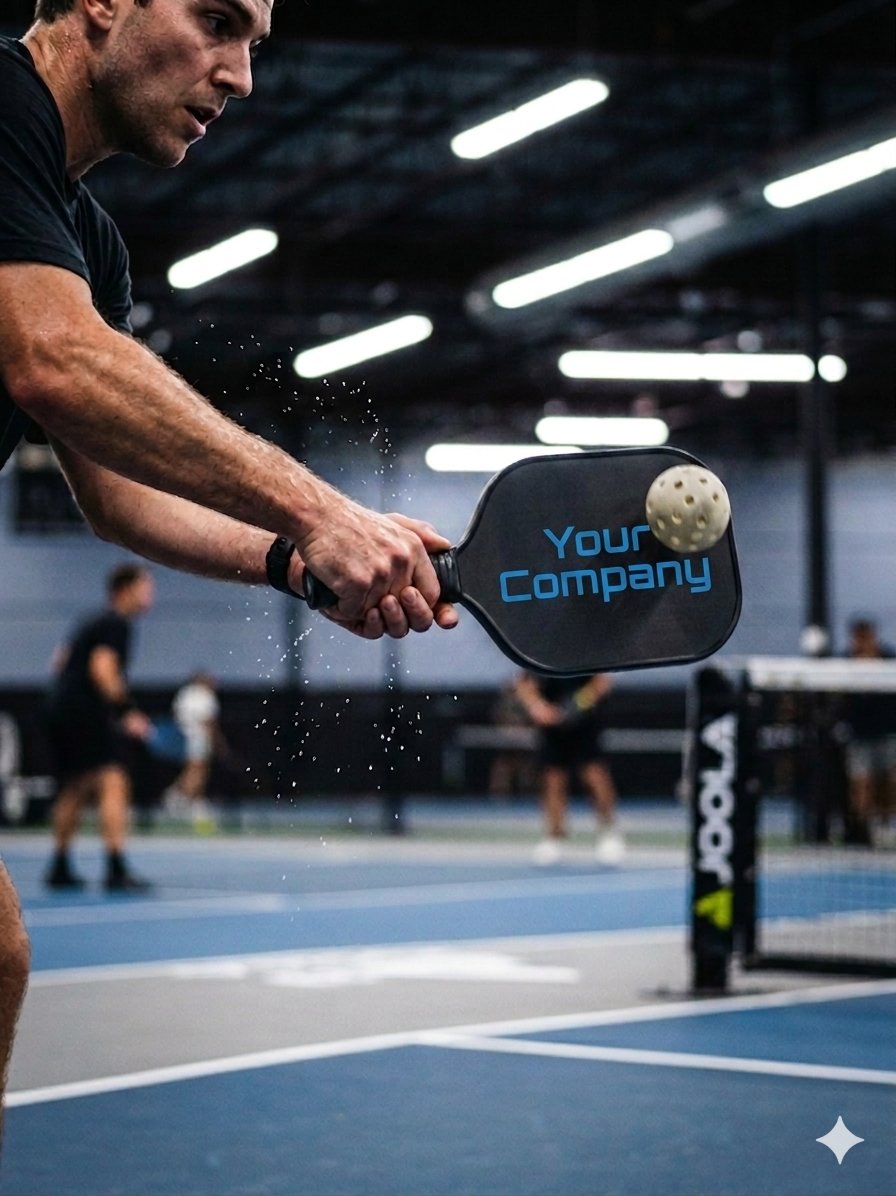
From a logistical vantage point, the center’s operations run with a clean efficiency that still feels human. The court maintenance schedule is visible to staff and players alike, a quiet nod to the principle that consistency in equipment and surfaces underpins good results. Cleaning protocols, particularly for shared equipment such as nets, paddles, and balls, have a practical rhythm that keeps the facility’s social spaces trustworthy and welcoming. There are no hidden corners where wear and tear accumulate unaddressed; the team communicates openly about surface treatments, paddle inventory, and the availability of replacement parts when needed. The practical upshot is a facility that feels cared for, and that care translates into confidence on the court.
The Era Pickleball environment also highlights the value of community. A club that walls itself off from new players risks becoming exclusive rather than welcoming. The Era Pickleball model breeds inclusivity through coached sessions, open plays, and informal meetups that help people learn from each other. It’s not just about getting better; it’s about knowing you’re joining a group that takes the sport seriously enough to improve, yet light enough to keep play enjoyable for a weekend warrior or a busy professional who wants to decompress after a day of meetings. The sense of belonging grows gradually, through shared wins, the occasional funny mishap, and the collective discipline that comes from practicing with intention.
The facility’s broader ecosystem—digital management, social media presence, and accessible resources—complements the in-person experience. The erapickleball.com site plays a dual role: it serves as a hub for booking and program details, and it acts as a repository of practical tips and training philosophies. For many players, that online footprint matters because it gives a roadmap for whether Era Pickleball aligns with their current needs. If you’re evaluating a pickleball center for the long haul, look for a site that offers not just schedules but thoughtful content on how to train between visits, what to pack for a clinic, and how to structure a personal practice week. The best centers translate online guidance into on-court outcomes, and Era Pickleball manages to achieve that balance with clarity and purpose.
One of the more nuanced aspects of Era Pickleball centers on the approach to equipment. The pickleball economy has grown quickly, and with it the question of what paddle to use and how to tune grips. The academy’s coaching staff often helps players navigate this space with pragmatic advice: start with a midweight paddle if you’re new, ensure your grip size fits comfortably, and avoid chasing extreme specs until you’ve established a baseline feel. The shop at the facility offers a curated selection, and staff are prepared to let players demo paddles during a session before committing to a purchase. This hands-on approach reduces buyer’s remorse and supports a better match between player style and equipment.
Energy in the building isn’t constant in intensity. There are quiet practice mornings when a single group threads through drills with a mentor quietly annotating foot placement, then burst moments when a tournament-ready lineup comes together for a round of drills that feel almost like a rehearsal for a bigger event. The variety in tempos helps players at different stages of development. A newcomer might savor the patience of a baseline drill that focuses on consistent returns, while a more experienced player might crave the tempo of a high-intensity drill that simulates late-stage doubles play with rapid decision-making. The rhythm, in other words, is engineered to be both educational and absorbing, so players leave with something tangible to carry into their next session.
The question of why a facility like Era Pickleball matters in the broader landscape of the sport deserves a candid answer. It isn’t simply about space or a schedule; it’s about a curated experience that respects the progression of skills while acknowledging the joy of the game. You don’t have to be a rising star to benefit from a center that emphasizes structured learning and community. A parent who signs up a child for a junior clinic will find a safe, well-supervised environment that still invites curiosity. A retiree who stops by for a social match will discover that the coaching team can tailor drills to emphasize mobility and balance, turning a casual afternoon into a meaningful, lighthearted workout. Between these poles lies the middle ground where most players dwell—committed enough to practice, flexible enough to adapt, and curious enough to try something new without feeling overwhelmed.
The tour would be incomplete without a handful of practical tips that make the most of a visit to Era Pickleball. For those who plan to join a clinic or a structured practice, arriving with a clear but flexible plan is beneficial. A quick mental note of what you want to focus on—footwork, dink accuracy, serve placement—can help you extract more actionable feedback from the coaching staff. Bring water, a light snack if you tend to get drained after a long session, and a towel that you don’t mind sharing in a community setup. While the center maintains hygienic practices, a personal towel helps you manage sweat and keep your grip dry. And it is worth noting that a lot of improvement comes from deliberate repetition, not from forcing rapid progress. The coaches understand this and tailor drills to maximize the quality of each rep rather than simply increasing the quantity.
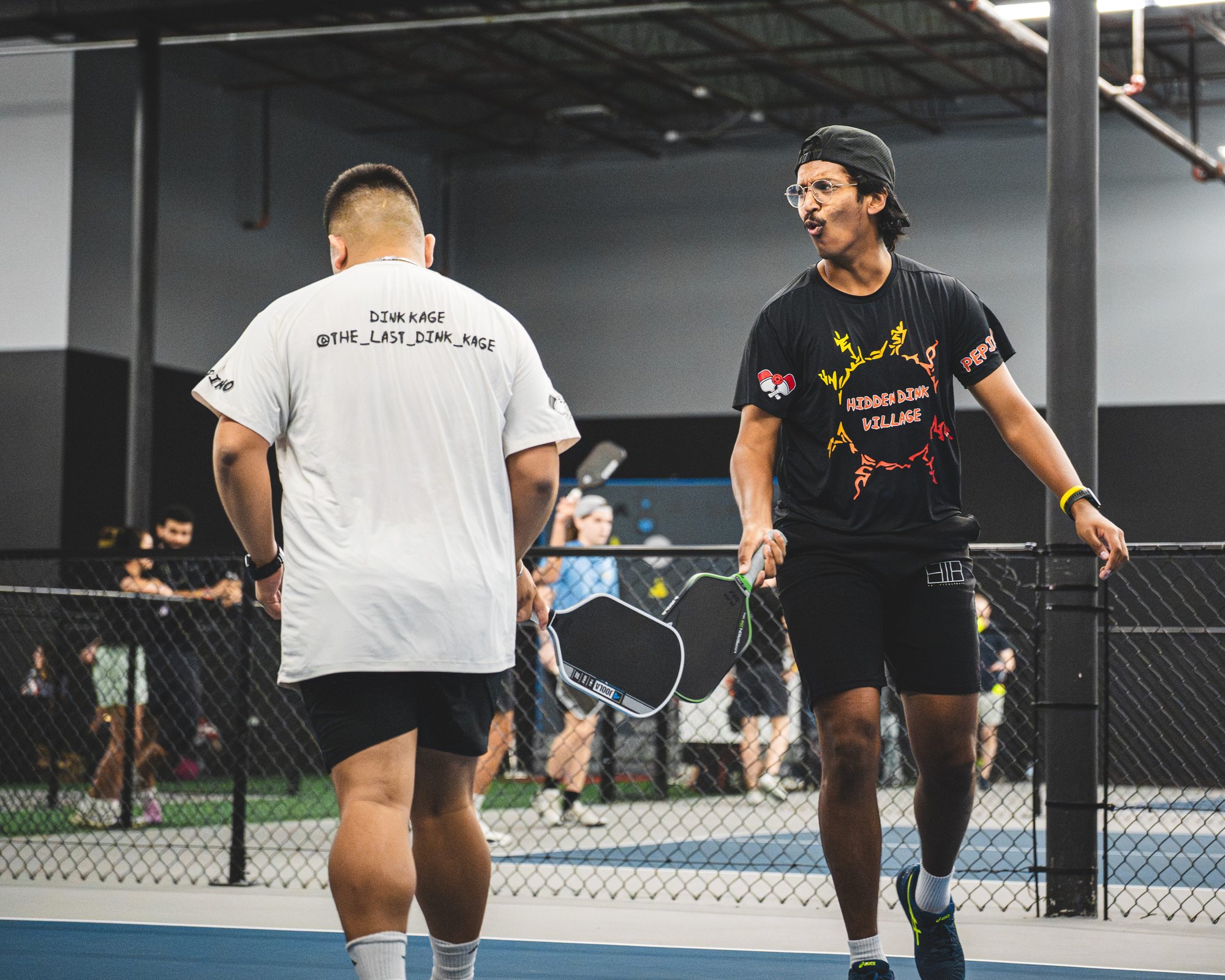
If you are contemplating a longer-term commitment, consider the value of a structured practice plan. The Era Pickleball academy’s approach supports continuity. You may encounter a season plan that looks like a blended schedule: a weekly drill session with a focus on a specific aspect, a weekend doubles clinic that reinforces communication and positioning, and a monthly match-day event that simulates tournament pressure in a controlled environment. The recurring pattern helps players measure progress with a clear baseline and an attainable horizon. The goal isn’t just to win a few rallies in a single session; it’s to accumulate improvements that compound over weeks and months, so your overall game grows more consistent and more adaptable.
The center also makes room for casual play, which is essential for a sport that thrives on social glue as much as on technique. There’s a friendly culture that encourages new players to ask questions and to request feedback in real time. A good rally might end with a quick debrief on shot selection, a moment to adjust your stance for the next rally, and a quick tip from a coach who happened to watch a point from the sideline. You don’t always get that at a facility whose main aim is competitive success; Era Pickleball manages to balance the chase for results with the joy of everyday improvement. For a community-minded player, that balance is the deciding factor when choosing where to train, where to rent a court, or where to participate in a pickup game that can become a routine you look forward to each week.
For those curious about the specifics of court rental and facility access, the practical details matter. The Era Pickleball center provides flexible court rental options that fit different schedules and needs. If you’re a local professional who likes to squeeze in a late session after meetings, you’ll appreciate the ability to reserve a compact block of time without paying for an all-day slot. If you’re visiting from out of town, the system accommodates transient players with predictable pricing and straightforward check-in. The facility’s commitment to a clean, well-maintained playing surface means you can expect consistent ball bounce and a comfortable playing environment, even after a long drive. And because the academy is integrated, there are opportunities to join a short skills class or arrange a quick coaching session to ensure your time on the court yields concrete takeaways.
The following sections pull together practical considerations for players at every level, with the aim of translating the center’s offerings into a realistic plan you can implement this week.
What to bring and how to prepare, especially if you are a first-time visitor A few simple items can dramatically improve your on-court experience. A compact backpack with a spare damp towel, a bottle of water, a small grip tape, and a sun-block-friendly hat if you plan to play outdoors are smart additions. If you expect to switch between singles and doubles, consider carrying a second paddle, or at least a reference to your preferred paddle type, so staff can help you locate an appropriate rental if you don’t have your own gear with you. A basic ball kit—tennis balls are not universally compatible with pickleball courts, so bring proper pickleballs—will prevent delays if you arrive and the center is running a pickup session that requires a particular ball.
The center’s management is aware that many players juggle a busy schedule. They have built in buffers in the reservation system to reduce the friction of last-minute changes, and you’ll often see players who adapt their plans as the day progresses. If you need to shift a session due to work or family obligations, the process is designed to be straightforward, with polite negotiation and options that preserve the value of your time on the court. You’ll find that the staff value your presence as a player more than the pressure of meeting a number on the calendar. That approach reduces stress and increases the likelihood that you’ll return for another session soon.
If the goal is to escalate your practice into a more serious discipline, look for a few subtle signals in the center that indicate a growth-oriented culture. A well-run academy will host occasional video review sessions, where you can see your own movements in slow motion and discuss improvements with a coach. You may also see a community bulletin board with upcoming clinics, tournaments, and practice matches, an informal map of the local pickleball ecosystem that expands your opportunities to learn. Ultimately, the best learning occurs when you are actively engaged in your own improvement, and Era Pickleball provides the atmosphere where that engagement can grow naturally.
Two concise lists can help summarize practical aspects of visiting and training at Era Pickleball without turning the article into a checklist overload. The first covers essentials to bring and prepare, the second outlines a light framework for a productive session with the academy. These lists are designed to be a quick reference that complements the longer narrative above.
What to bring (five items)
- Water bottle with a secure cap for long practice blocks
- Towel or personal sweat rag for grip maintenance
- Grip tape and spare overgrips for paddle customization
- Proper pickleballs suited to the court surface
- Comfortable athletic shoes with non-marking soles
A light framework for a productive session
- Arrive early for a brief warm-up and a quick chat with your coach about goals
- Choose one technical focus for the session to anchor your practice
- Alternate between drill blocks and live-play segments to build both technique and adaptability
- Request quick feedback after a drill to capture actionable cues
- End with a brief recap, noting one improvement and one area to revisit next time
As you leave Era Pickleball, the impression tends to linger because the experience threads together practical function and communal energy. The facility is not merely a place to rent a court; it’s a space that helps you translate practice into performance, and performance into confidence. The coaching staff’s emphasis on fundamentals, paired with the center’s thoughtful approach to scheduling and equipment, creates a rhythm that supports steady progress. It is also a space where you can cultivate a healthier relationship with competition. You learn to test your limits, but you do so with a safety net of guidance, feedback, and shared enthusiasm for the sport.
In the broader arc of pickleball culture, venues like Era Pickleball anchor the sport’s rapid expansion by hardening the link between playing and learning. Players who come to Era for the first time often discover a route to continuous improvement that feels practical and well-timed. They don’t arrive with all the answers; they arrive with questions, and the center’s coaching team provides pathways that lead to better control, smarter shot selection, and a deeper understanding of the game’s tactical underpinnings. The sense that you are part of a learning community, rather than just a customer, makes a meaningful difference over time.
What you should watch for on your next visit If you have a recurring appointment at Era Pickleball, you’ll start noticing patterns that reveal the center’s strengths. The schedule tends to balance focused skill blocks with opportunities to apply what you’ve learned in live settings. You’ll see a natural progression in the coaching plans if you attend clinics or participate in a progression series. Even experienced players can find new elements to refine when a coach pins down a specific aspect of the game—such as how to shape the third shot or how to maintain pressure in the transition zone. For some, the most valuable aspect isn’t a single breakthrough but the habit of showing up consistently, backing up practice with reflection, and letting the improvements accumulate.
For players who are exploring the economics of pickleball, the rental model at era pickleball centers offers a practical reading of ongoing costs. The pricing structure tends to be straightforward, with clear rates for court time, coaching add-ons, and equipment rental. If you decide to rent a court for a weekend pickup, the system can accommodate a casual schedule without forcing you into long commitments. If you want more structured progress, you can add coaching or join a clinic pack that binds your time with guided practice. This combination makes it easier to budget for practice without compromising on the quality of your training. It’s a pragmatic design that reflects a broader understanding of how players move through learning curves and why they might return week after week.
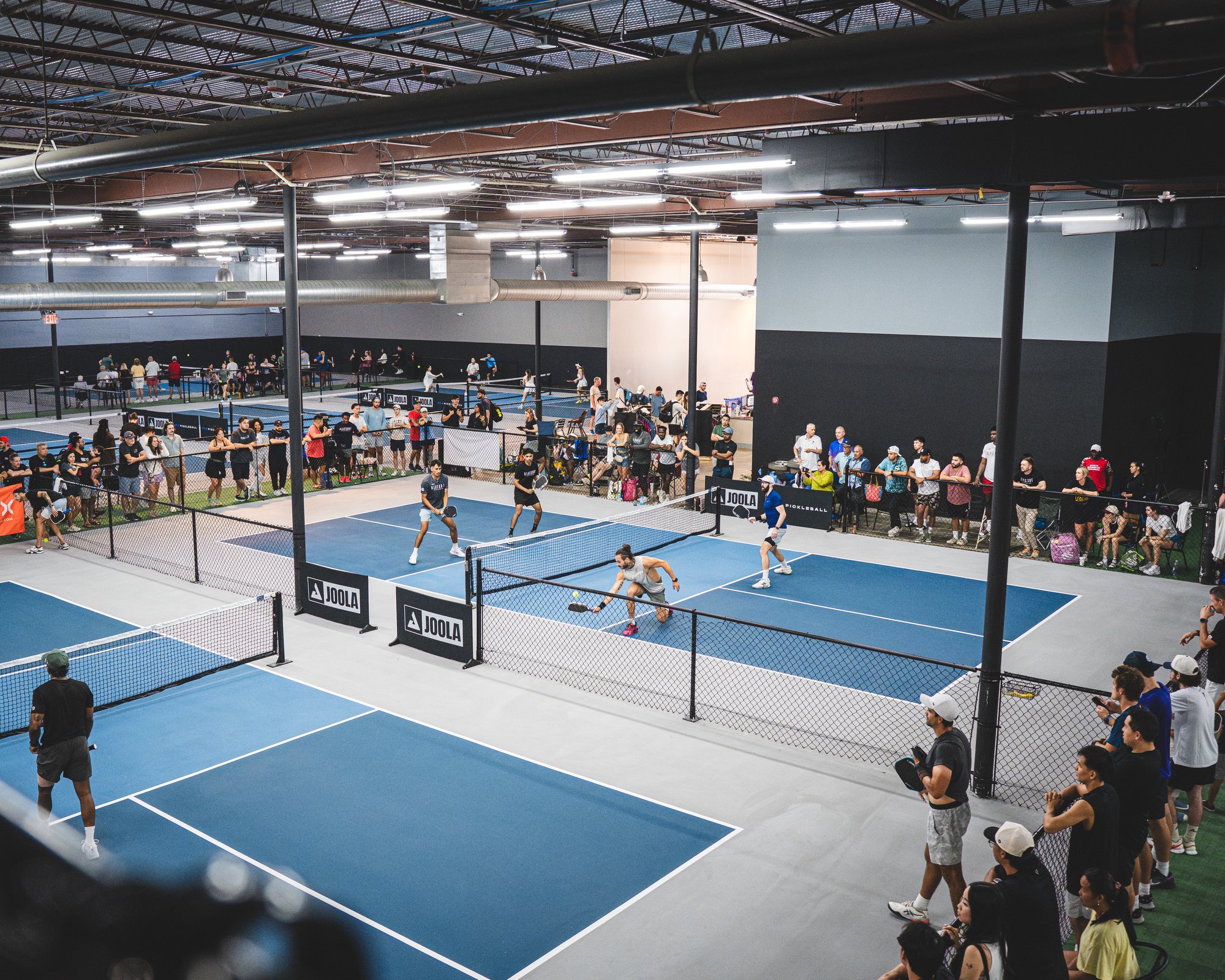
A word about edge cases and limitations. No facility is immune to the occasional schedule hiccup or equipment shortage, and even the best programs can have a lean week when coaches are away for a tournament. The way Era Pickleball handles these moments is telling: transparency, quick rebooking options, and proactive communication. They don’t pretend that everything is always perfect, but they do promise a robust pathway for staying engaged, whether that means rescheduling a drill block, signing up for a different clinic, or simply staying in touch to hear about upcoming opportunities. The result is a center that remains a reliable anchor in a sport that rewards consistency as much as natural talent.
If you are weighing Era Pickleball against other pickleball centers, consider what you value most in a training environment. A place that emphasizes formal coaching and structured progression offers measurable gains and a sense of accountability. A center that prioritizes community and flexible scheduling provides a social, less pressurized pathway to regular play. Era Pickleball manages to blend these elements in a way that feels organic rather than forced. The facility seems to understand that players do not arrive as blank slates; they bring varied histories of play, different physical demands, and diverse goals. The best centers meet players where they are, then guide them toward where they want to be. That’s precisely what the Era Pickleball center attempts to do.
In closing, the facility’s tour reveals more than a set of courts and coaching programs. It unveils a philosophy of play that respects the sport’s speed, precision, and social warmth. The pickleball academy at Era Pickleball is not a one-size-fits-all curriculum. It’s a living, evolving ecosystem that invites experimentation, celebrates small improvements, and supports players through the friction that inevitably comes with learning. For anyone who loves the game, visiting Era Pickleball offers both a practical testing ground and a community where the pursuit of better play feels natural, sustainable, and genuinely enjoyable. If you are curious about court rental, beginner clinics, or advanced strategy sessions, this center presents era courts a clear, credible path forward—one that blends the art of the dink with the science of movement, all within a space designed to keep players curious, engaged, and in motion.